Rice Paddy Husking
A Key Step in Rice Production
Rice paddy husking, also known as rice hulling or dehusking, is an essential phase in rice processing, where the outer husk or hull is removed from the rice grains to produce edible rice. This process can vary in method and machinery, depending on production scale and technological availability. Here’s an overview of the rice paddy husking process:
Harvesting: The process begins with the harvesting of fully matured rice grains, known as paddy or rough rice. The paddy consists of the rice kernels encased in their protective husks.
Cleaning: Prior to husking, the paddy is thoroughly cleaned to eliminate impurities such as dust, straw, stones, and other foreign materials. This step ensures the quality of the final rice product and protects the husking machinery from potential damage.
Storage: Once cleaned, the paddy is stored in appropriate conditions to maintain its quality and prevent moisture absorption, which can lead to spoilage or fungal growth.
Preparation: Depending on the husking method, the paddy may need to be soaked in water beforehand. This soaking process helps loosen the husk, making it easier to remove during husking. The soaking time varies based on factors like rice variety and moisture content.
Husking Methods: There are several techniques and machines used in the husking process:
Manual and Traditional Methods: In smaller, traditional settings, husking can be done manually or with the help of basic mechanical tools powered by engines or tractors. These methods, while less efficient, are suitable for small-scale operations.
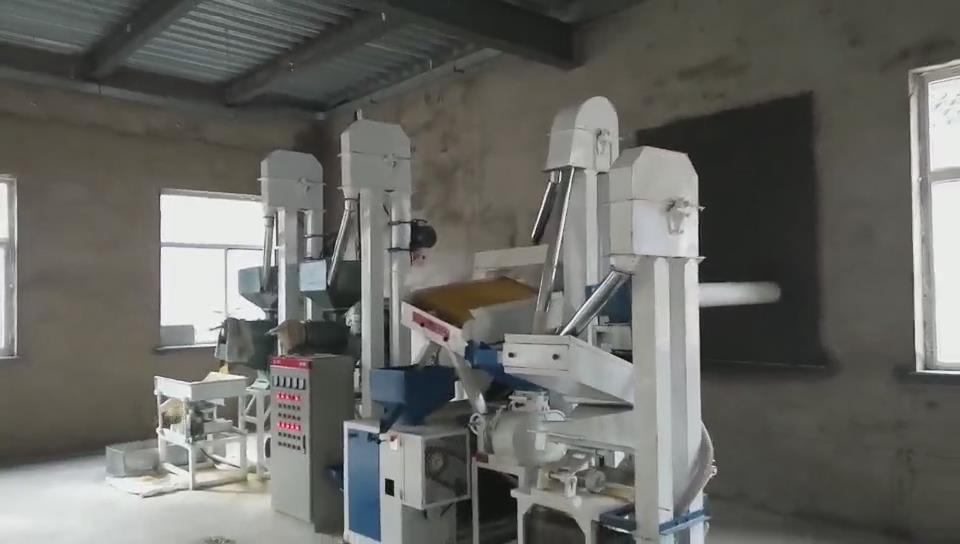
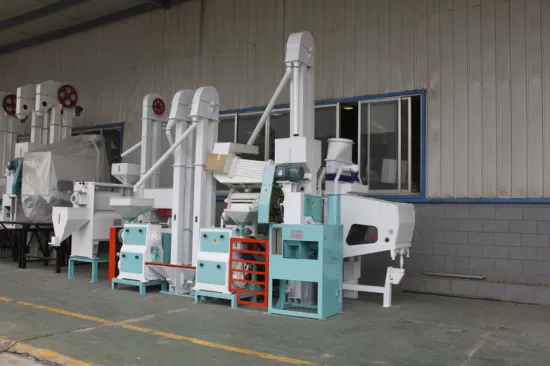
Modern Rice Hullers: In industrial-scale operations, modern rice hulling machines are employed. These machines are highly efficient and can husk large quantities of rice rapidly. Typically, they use rubber rollers to gently remove the husk from the rice grains without damaging them.
Separation: Post-husking, the rice grains and husks are mixed together. Separators or hullers are used to differentiate the rice kernels from the husks, based on differences in size, weight, and density. The resulting rice, often referred to as brown rice at this stage, is ready for further processing.
Polishing (Optional): Some rice varieties undergo polishing to remove the bran layer on the rice grain, resulting in white rice, the most commonly consumed form worldwide. Brown rice, which retains its bran layer, is often chosen for its higher fiber content and nutritional benefits.
Grading and Packaging: Finally, the husked and, if applicable, polished rice is graded based on factors like quality and size before being packaged for distribution and sale.
The rice paddy husking process is a critical step that not only removes the inedible husk but also influences the quality, appearance, and nutritional value of the final product. The choice of husking technique and machinery is determined by production scale, available technology, and economic factors, with the goal of efficiently removing the husk while preserving the integrity of the rice grain.